Category Archives: solar cycles

224. Moderate Nesting and Cross-Equatorial Asymmetry of Active Regions in Solar Cycle 24

Contributed by Aimee Norton. Posted on April 3, 2026

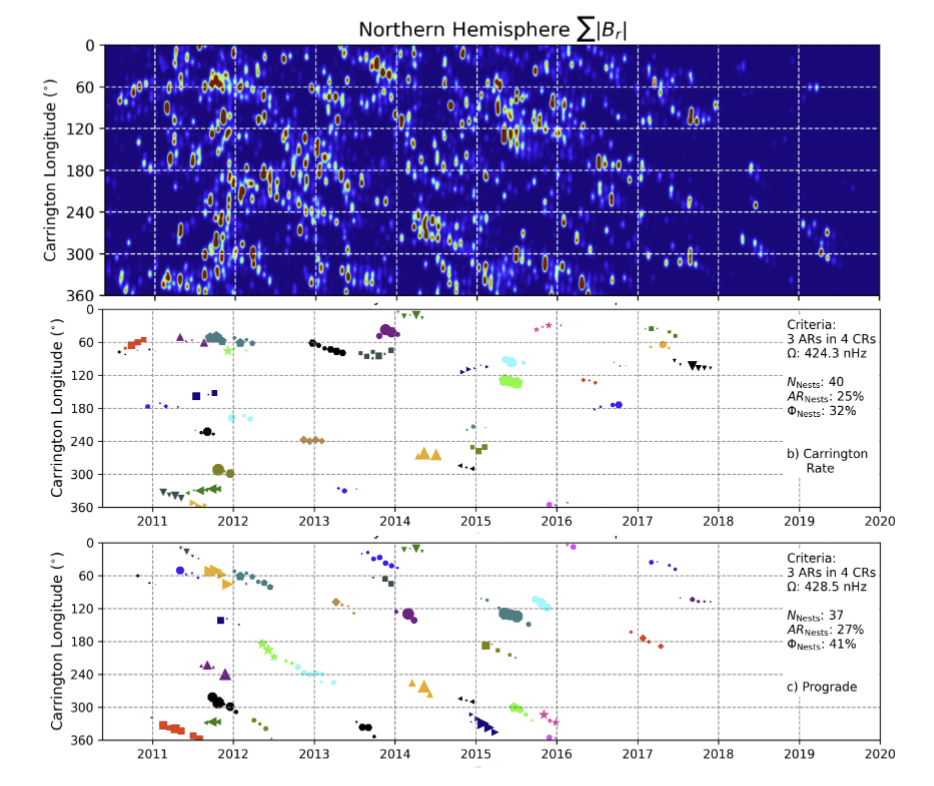
HMI data from Solar Cycle 24 data are used to determine how often the Sun emerges sunspots in activity nests. It is found that the Sun shows moderate nesting behavior with 41% (48%) of AR magnetic flux found in northern (southern) hemisphere located in nests. The maximum number of nests are found with slightly prograde rotational velocities, and the nesting behavior is asymmetric in the hemispheres.

204. Exploring Meridional Flow in the Solar Polar Caps

Contributed by Shuhong Yang. Posted on October 14, 2024

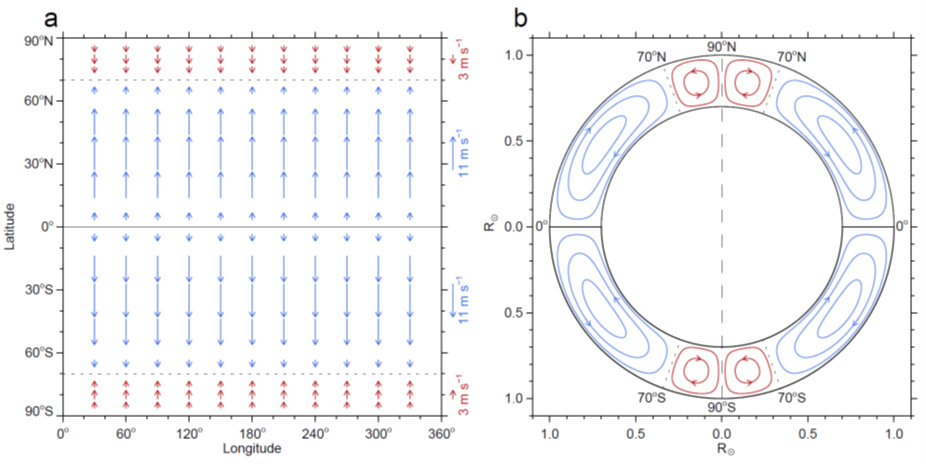
A surface flux transport model, using HMI-observed global magnetic field and active regions as inputs, with different polar meridional-flow profiles simulates the magnetic field in the polar caps. The simulation is then compared with Hinode-observed polar magnetic fields. The result supports an existence of counter cells above 70-degree latitude in each hemisphere.

170. Solar Toroidal Field Evolution Spanning Four Sunspot Cycles Seen By WSO, SOHO/MDI, and SDO/HMI

Contributed by Allison L. Liu. Posted on November 19, 2021

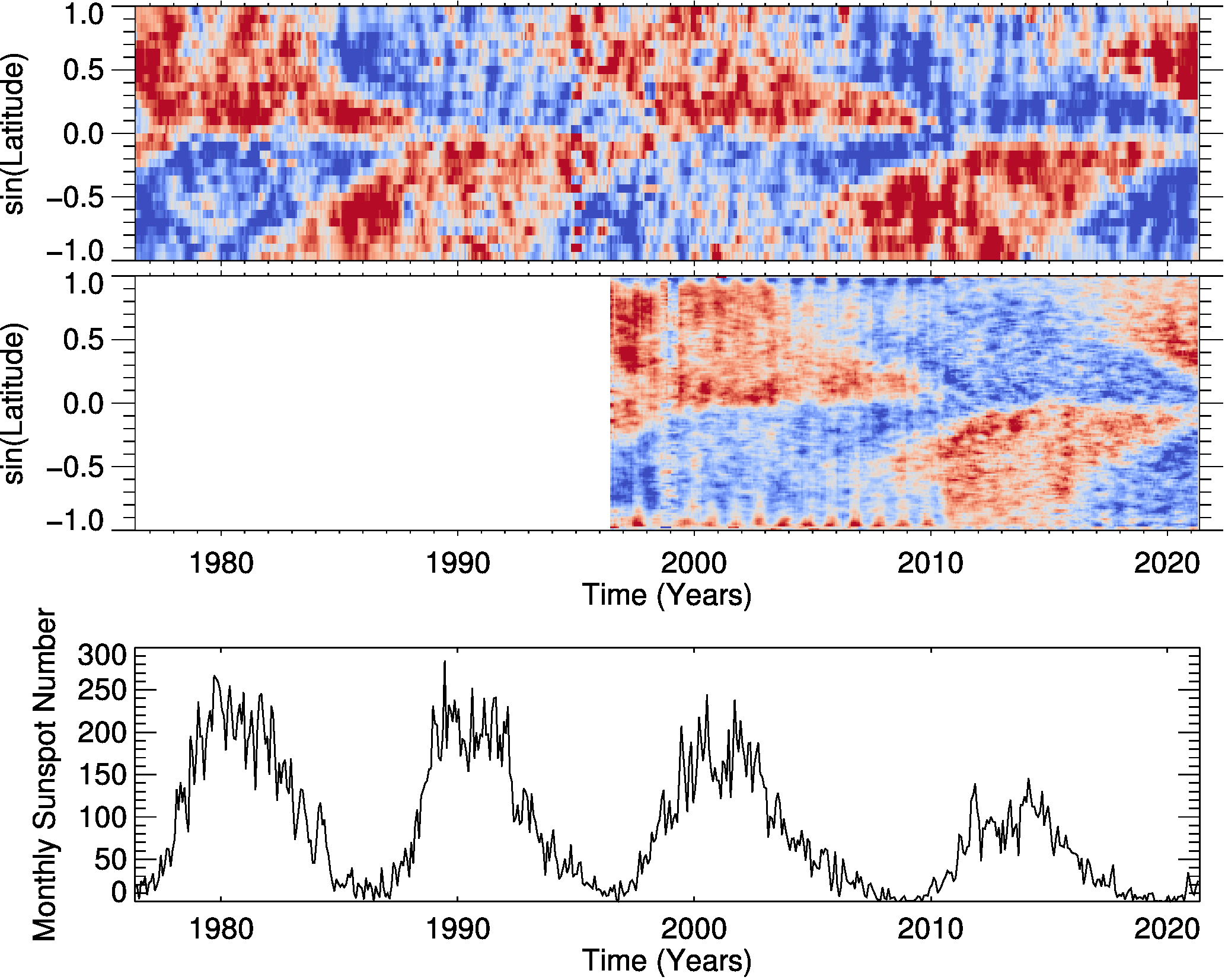
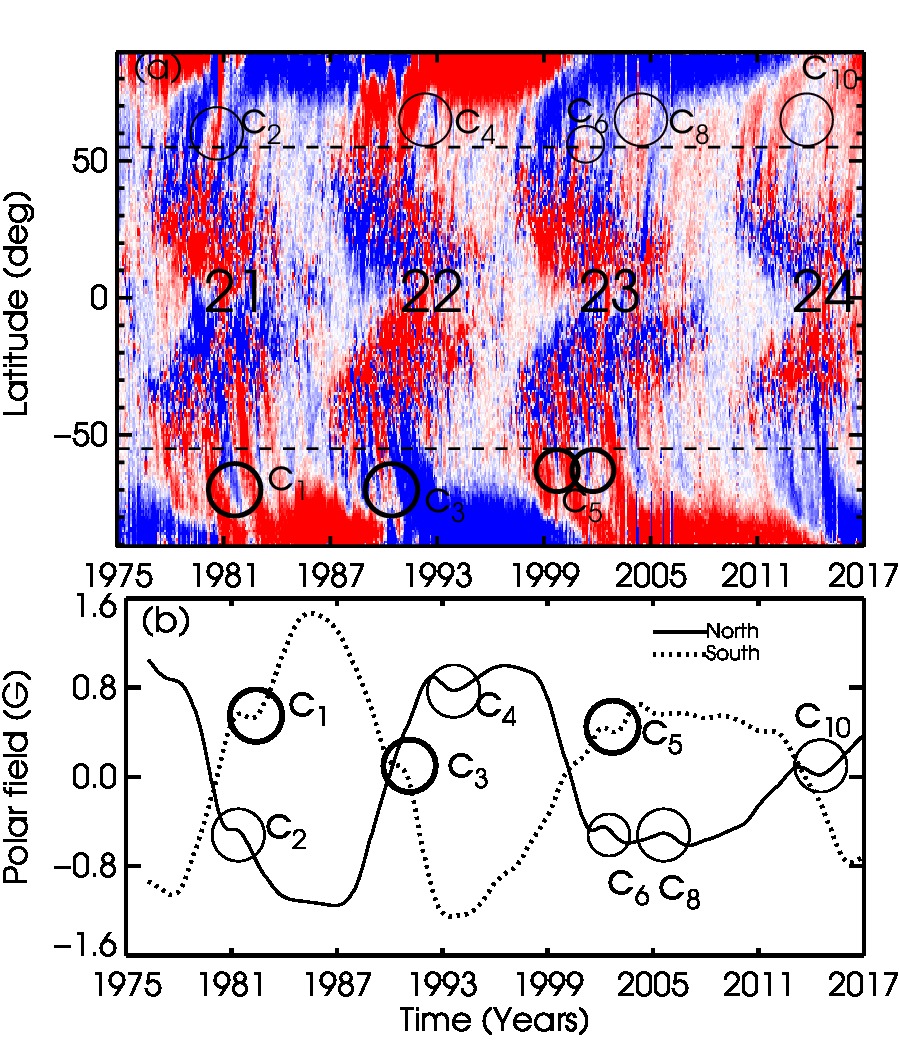
The Sun’s toroidal field is derived using 45 years of Wilcox Solar Observatory data, 16 years of Michelson Doppler Imager data, and 11 years of Helioseismic and Magnetic Imager data. The duration of each cycle in both hemispheres is also estimated.

109. How Many Active Regions Are Necessary to Predict the Solar Dipole Moment?

Contributed by Tim Whitbread. Posted on September 10, 2018

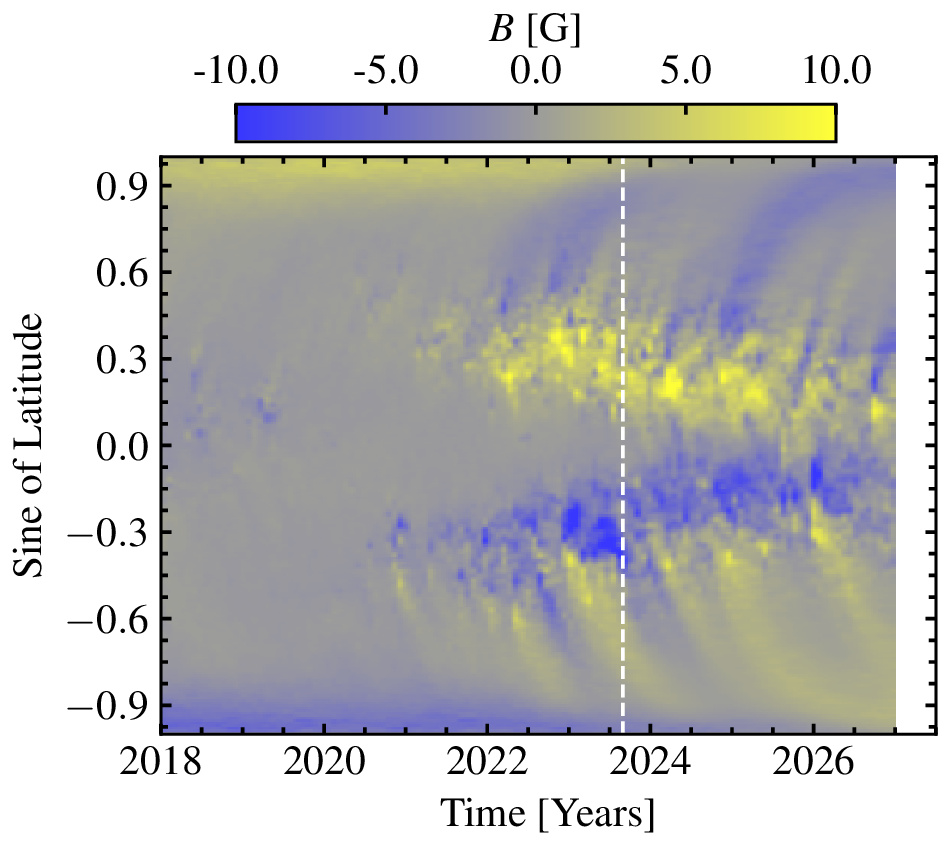
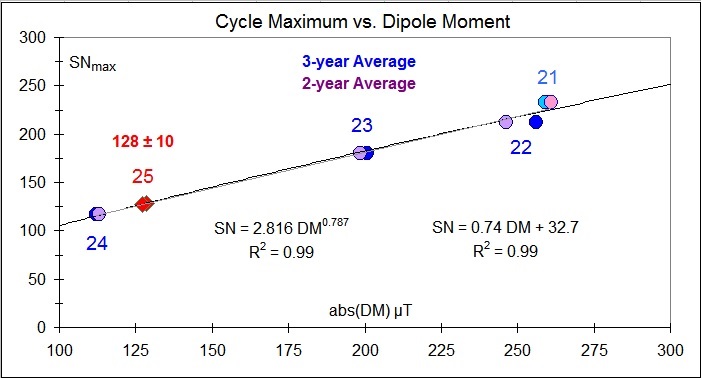
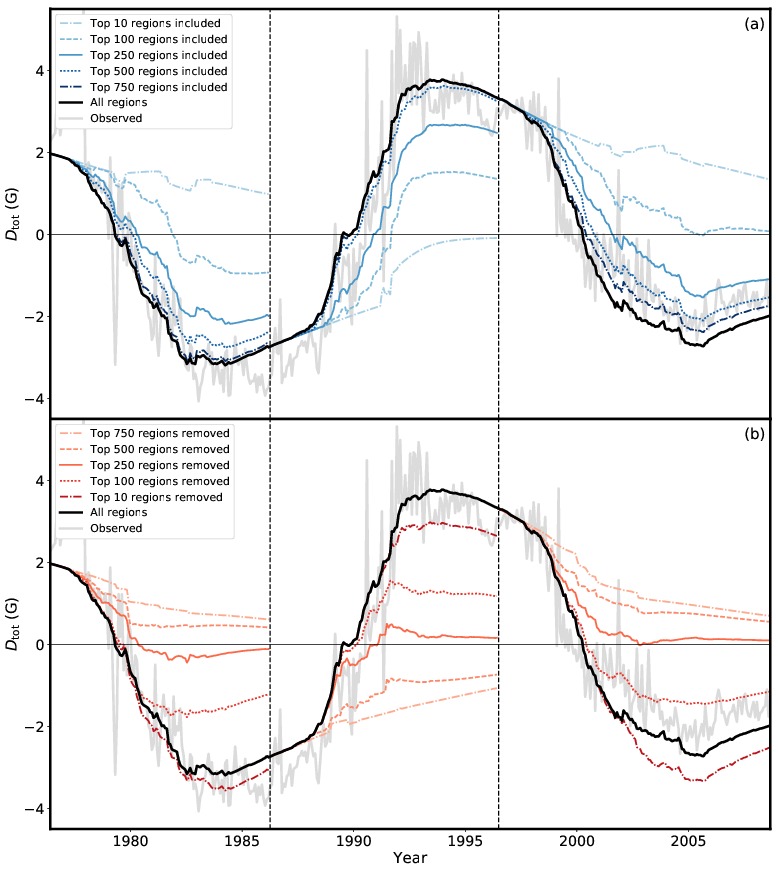
To assess the impact of active regions to the axial dipole moment, the authors isolate the contribution of individual regions for Cycles 21, 22, and 23 using a surface flux transport model, and find that although the top ~10% of contributors tend to define sudden large variations in the dipole moment, the cumulative contribution of many weaker regions cannot be ignored.