Monthly Archives: February 2026

223. Helioseismic evidence that the solar dynamo originates near the tachocline
Contributed by Krishnendu Mandal. Posted on February 26, 2026

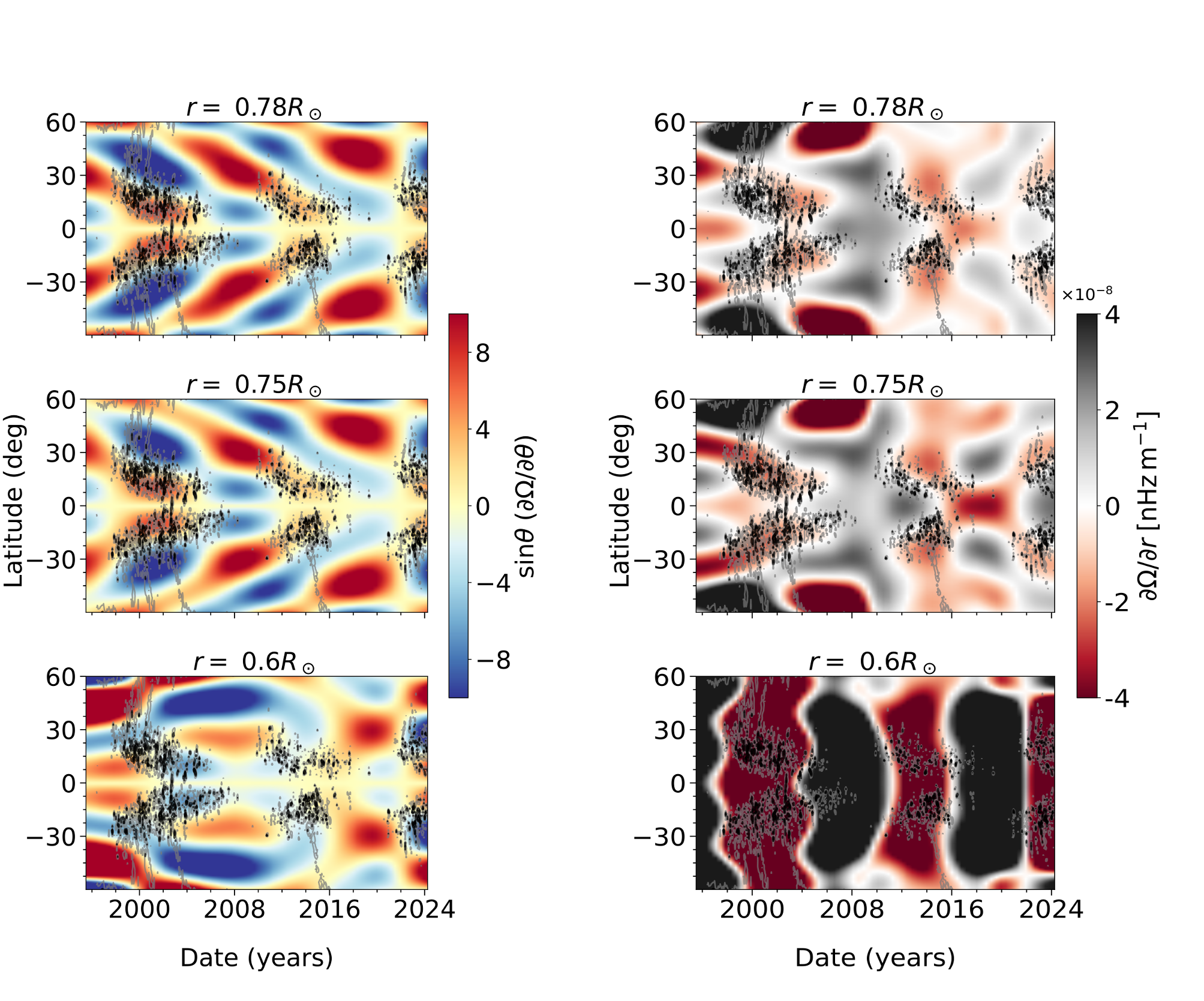
Helioseismic analysis of solar torsional oscillations reveals dynamo-wave–like signatures that originate near the tachocline and propagate through the convection zone, linking internal zonal flows to the surface magnetic cycle. Additional evidence from frequency-splitting coefficients and rotational shear variations shows strong solar-cycle correlations, supporting the tachocline as a primary site of solar dynamo action.
222. On the Need for Rescaling Regular Synoptic Maps of the Solar Radial Magnetic Field

Contributed by Yang Liu. Posted on

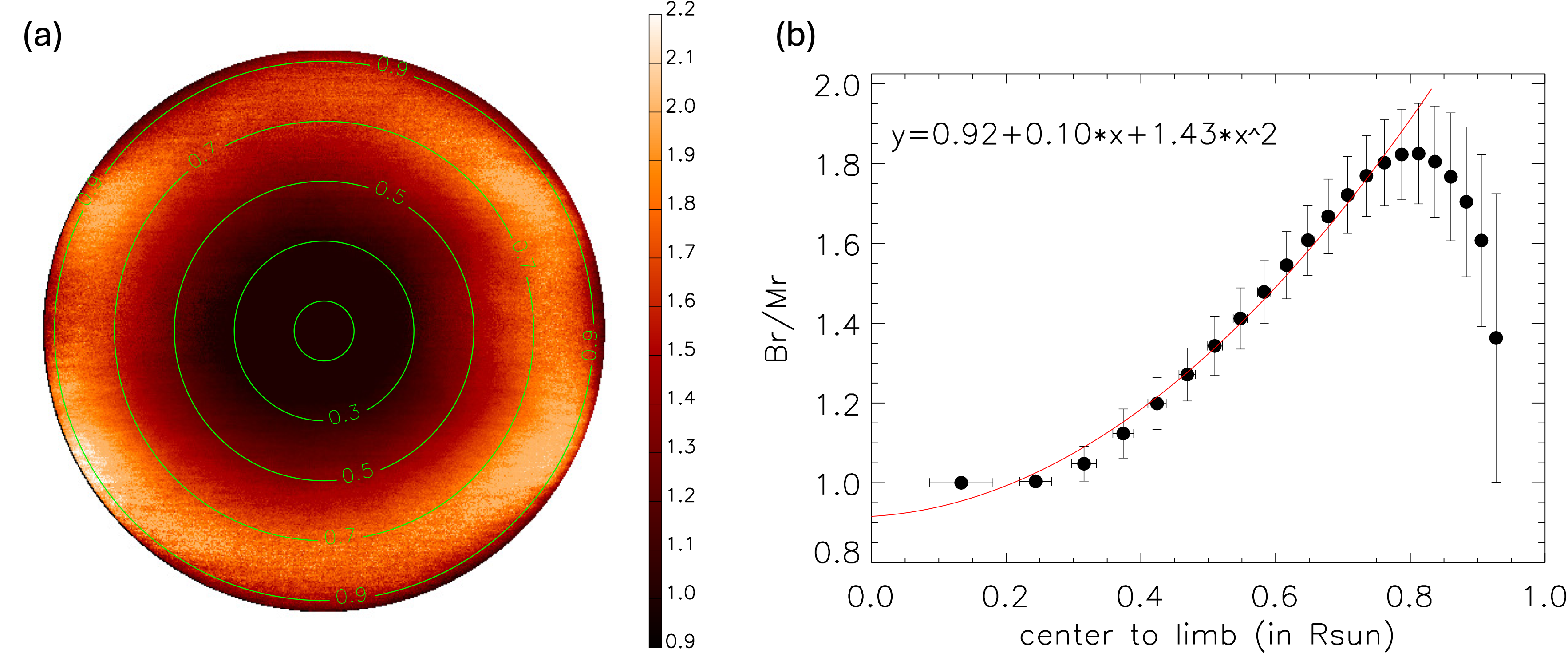
A statistical comparison between HMI vector magnetograms and line-of-sight–derived radial fields shows that LOS-based estimates systematically underestimate the true radial field, with the bias increasing toward the limb. A numerical modeling demonstrate that this center-to-limb variation in the underestimation of radial field arises from non-radial magnetic field inclinations.

221. The Tilted Structure of Equatorial Rossby Waves Beneath the Solar Surface

Contributed by Oana Vesa. Posted on February 13, 2026

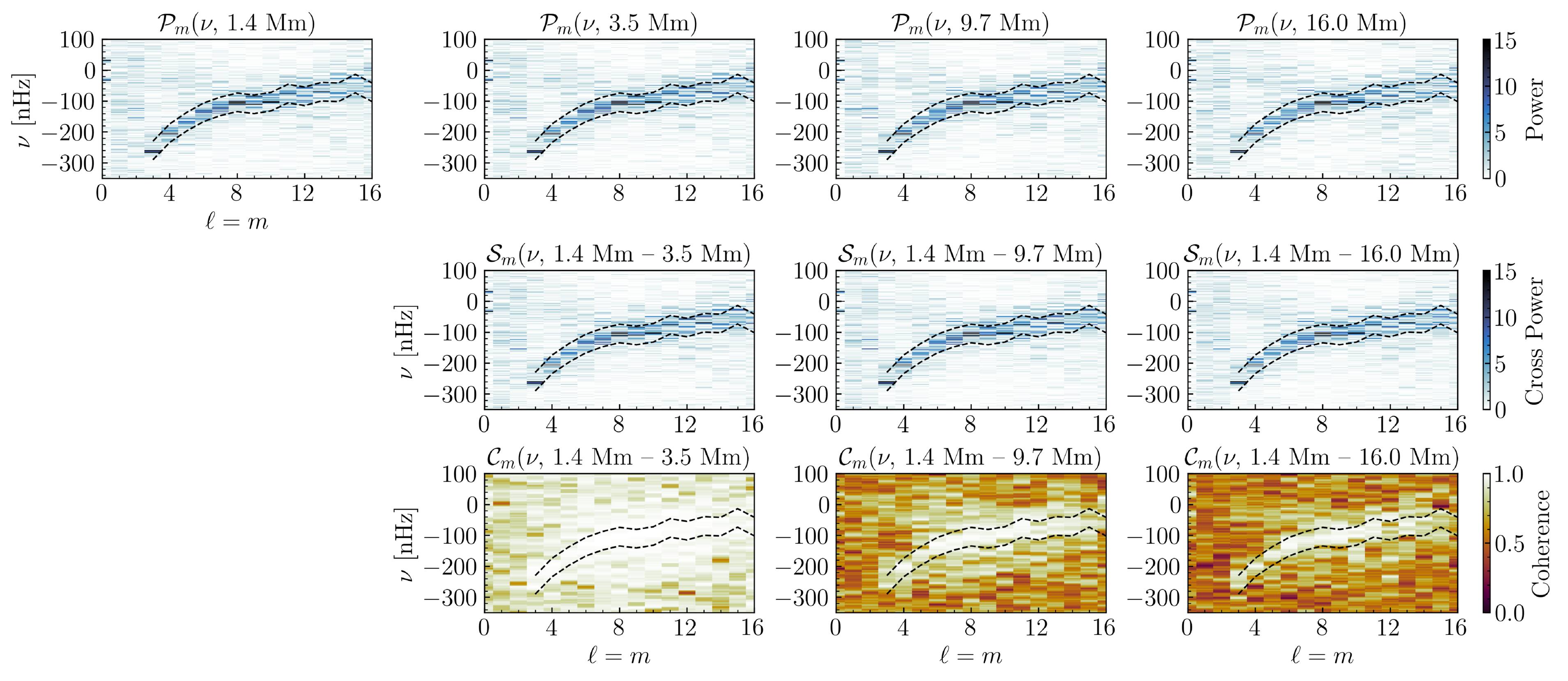
Equatorial Rossby waves at different depths are studied, and it is found that the Rossby waves are tilted retrograde with depth rather than being a columnar structure. The tilt remains relatively stable through the solar cycle without being consistently modulated by magnetic activity.

220. Stray Light Correction applied to HMI Data

Contributed by A.A. Norton. Posted on February 7, 2026

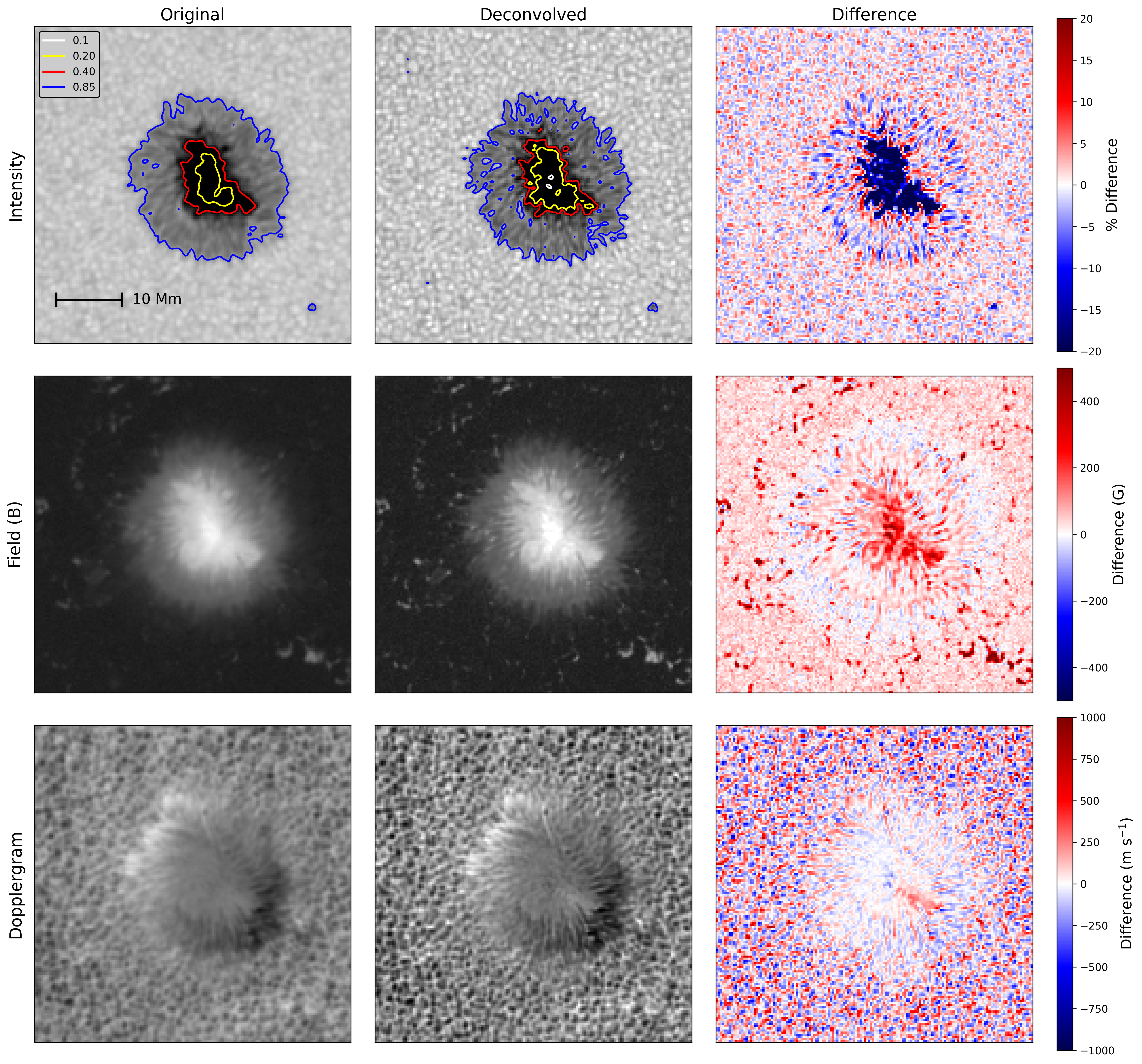
We report a point spread function (PSF) and deconvolution procedure to remove stray light from the Helioseismic and Magnetic Imager (HMI) data. The deconvolution uses a Richardson-Lucy algorithm and takes less than one second per full-disk image. In 2018, the HMI team began providing full-disk, stray-light-corrected data daily. The results, on average, show decreases in umbral continuum intensity, a doubling of the granulation intensity contrast, increases in the total field strength, most notably in plage by ∼1.4–2.5 the original value, and a partial correction for the convective blueshift.